The Humanitarian Crisis in Gaza: Starvation as a Weapon of War
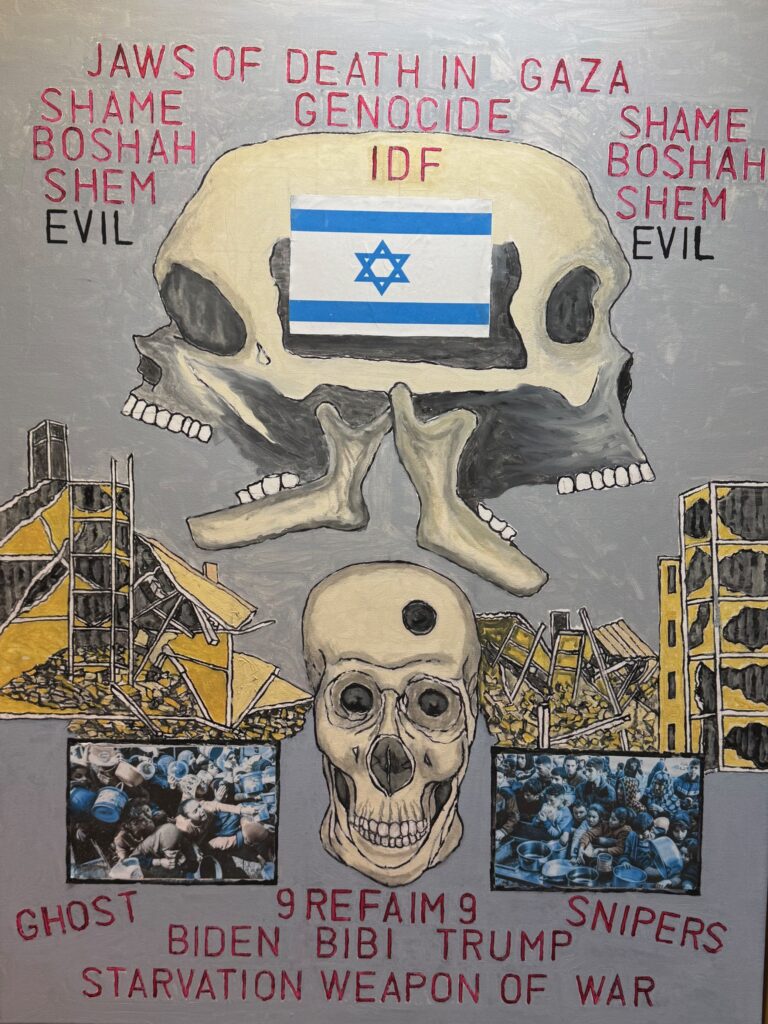
The situation in Gaza has deteriorated into a catastrophic humanitarian emergency. Civilians are trapped amid relentless hostilities, facing acute shortages of food, clean water, and medical care. Aid agencies warn of mass starvation as humanitarian access collapses under ongoing Israeli military operations.
Famine and Forced Displacement
UN agencies, the UK government, and multiple humanitarian organizations have urged Israel to halt its assault on Gaza City, citing an unfolding famine. Experts on hunger report that widespread starvation has already taken hold, driven by restrictions on aid and the forced relocation of civilians to southern Gaza.
The International Committee of the Red Cross (ICRC) has called the evacuation plan ‘unfeasible and incomprehensible,’ warning that people are starving, dehydrated, and exhausted, with nowhere safe to go. Critics say this amounts to a forced transfer of population—a grave violation of international humanitarian law that could constitute crimes against humanity. (link)
Ghost Snipers and Civilian Casualties
A five-month investigation by The Guardian, ARIJ, and Der Spiegel uncovered evidence of Israeli snipers killing unarmed civilians in Gaza City’s Tal al-Hawa neighborhood. Survivors described how entire families were gunned down, including members of the Doghmosh family, shot while seeking safety or food. (link)
The report highlights a disturbing pattern: unarmed men aged 18–40—and even women and children—have been treated as targets. Witness accounts and verified imagery reveal snipers firing from high-rise positions, while airstrikes, tank fire, and artillery bombardments have reduced residential blocks to rubble.
Genocidal Rhetoric and Collective Punishment
A former Israeli military intelligence chief, Aharon Haliva, was recorded stating that ‘50 Palestinians must die for every person killed on October 7‘—regardless of whether they are children. His remarks, broadcast on Israel’s Channel 12, openly endorse collective punishment, which is illegal under international law. (link)
Since the October 7 Hamas attacks, in which about 1,200 Israelis were killed and 250 hostages taken, several Israeli leaders and media outlets have used dehumanizing language, referring to Palestinians as ‘human animals’ and claiming there are ‘no innocents in Gaza.’ Such rhetoric fuels genocidal policies and undermines international humanitarian protections.
The Collapse of Humanitarian Access
Despite mounting evidence of famine, Israeli officials deny responsibility. Government spokesperson David Mencer told Sky News, ‘There is no famine in Gaza – there is a famine of the truth.’
However, Médecins Sans Frontières (Doctors Without Borders) and UN agencies report widespread malnutrition among children and pregnant women. A leaked U.S. government assessment, cited by Reuters, found no evidence that Hamas was systematically stealing humanitarian aid—directly contradicting Israeli claims.
Israel’s decision to ban UNRWA, the main UN relief agency for Palestinians, has crippled aid delivery. Instead, operations were handed to the Gaza Humanitarian Foundation, a private entity lacking experience and repeatedly linked to mass-casualty incidents near aid distribution sites.
Legal and Moral Accountability
Forcible transfer of civilians and the deliberate obstruction of humanitarian aid constitute serious breaches of the Geneva Conventions. International law requires an occupying power to ensure access to food, water, and medical supplies.
As the UN warns of imminent famine and the breakdown of all aid systems, the global community faces a defining question:
Will the starvation of Gaza’s population be allowed to continue unchecked — or will the world act to stop the weaponization of hunger?
Sources
The Guardian, Der Spiegel, ZDF, Reuters, Sky News, Médecins Sans Frontières, United Nations Reports, ICRC Statements (July–August 2025)